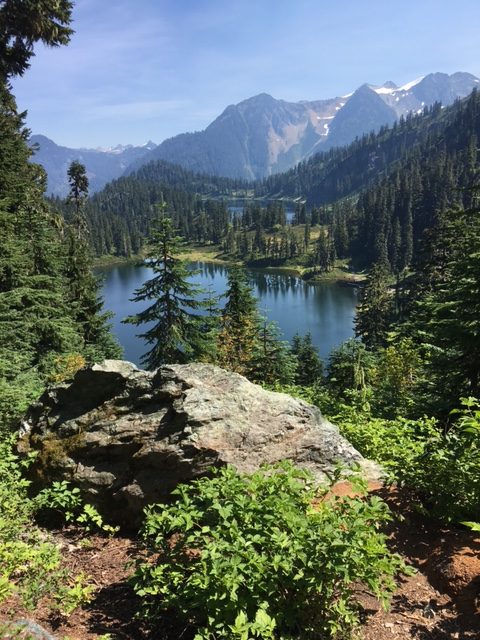

Contemplating nature can indeed help our bodies reset by promoting relaxation and reducing stress, which are essential for overall well-being. Specifically engaging with art stimulates the brain and encourages mindfulness, allowing us to disconnect from everyday pressures. This mental shift can lead to physical benefits, such as lowered heart rate and reduced muscle tension, ultimately aiding in emotional healing and rejuvenation.
The term “nature connectedness” refers to an individual’s sense of belonging to and affinity with the natural world. Physical engagement (being out there) and creative expression (the “art” part) give us the most of this connection.
Whether our connection to nature is built on photography, drawing, singing, writing poetry, dancing, yoga, meditation or simply creating a daisy chain, we certainly reap the benefits.
There is a myriad of ways to connect to our natural world. Let’s explore a few…
Photography
Perhaps the most used tool in connecting to nature is the simple snap-shot. Almost everyone has a camera on their phones these days. However, on a deeper level, photography can deepen our connection with nature by helping us see and understand the world in new ways, focusing on details, and appreciating the natural world’s beauty. It can also serve as a form of therapy, bringing peace, clarity, and healing by allowing you to slow down and appreciate the present moment.
Getting just the right angle and lighting or capturing unique textures and colors help us express what we love so much about being out in nature. We tend to see through different eyes when we capture that perfect shot. Think of photography as a form of storytelling; a story created that can be appreciated by and will inspire others.
Sketching and Painting
Unlike a quick snap-shot, sitting down to sketch or paint a picture requires more intimate time with the subject. Sketching promotes a deeper connection with the environment because of its close observation and appreciation for details. It can be used for recording observations, simple creativity, and developing a sense of wonder towards nature. Nature Journalling (combining sketching with writing) allows a much deeper connection and expression.
Try quick sketches in a journal during breaks. No need for it to be elaborate. If desired, it can be edited and filled it in with color and words when settled at camp.
Music
You may have noticed that there is music everywhere when you are outdoors. The birds, the breeze, snapping twigs in the woods as animals scurry away – music is everywhere. However, sometimes we want to make our own music or listen to an inspiring playlist or podcast.
When I hike solo, I am continually singing songs or making up new ones. But sometimes, I just like to listen to my playlist.
Here’s a lively playlist on Spotify that you can modify to your own tastes: Elderberry Outside Playlist
Meditation
In a search for “nature meditation” on an internet browser you will find a number of excellent grounding meditation videos at different lengths. These are good for training your body and mind to relax, let go of stress an connect. You can do these at home or listen to them while sitting on a park bench. I find that sitting still on a log and letting the sounds, smells and breeze wash over me, is a great way to feel held and connected to what is important.
Writing
Just spending time in nature inspires a sense of awe; the feeling that the world is so much larger than we can comprehend. This is a perfect opportunity to consider different perspectives and can lead to innovative thoughts and writing.
Many of us take a journal on our outdoor adventures. Not only does logging our day-to-day details help us to remember the experience, as we walk or paddle, we can also make up stories or poems that could be fantastic to write down once settled into camp. For example, there may have been a small snake startled along the trail. That could inspire a grand story about the life of this snake and how it interacts with its environment and odd humans. Or write a poem about the swaying trees or the pouring rain. Notice the inspiration all around.
Body Movement
Studies have shown that connecting with nature through movement, like dancing or a simple walk outdoors, can positively impact physical and mental well-being. This connection can also enhance body image and promote a more positive relationship with one’s own body. Movement in nature allows us to experience sensory input from the environment, which can deepen the connection between the body, mind, and the natural world.
Outdoor activities can be used to strategically cause stress on the body, leading to various physiological adaptations and potential health benefits. This concept is rooted in the principle of hormesis, where a low dose of a stressor can trigger beneficial adaptive responses in the body, mind and spirit. Moving the body is an essential requirement in our lives. The next time you take a walk, and certainly when you are doing more stressful outdoor activities, think about how your body is moving. Relax your shoulders and jaw, put a little “bounce” in your step or elbows, loosen your spine, hips, knees and ankles. Allow your body to enjoy the movements. Use the difficulty of the activity to open your heart, mind and spirit. Fuel yourself with the nature around you.